Creative Critical Reflection
Revisions
Changes made for our film opening were adding filler shots towards the end, swapping establishing shots, transitions, shortening video clips, and adding music along with sounds.
Here are two examples of some revisions made…
Difficulties Encountered
During post-production we encountered a huge issue that could disrupt our continuity. I recently cut my hair a whole lot shorter than previously and I did not realize nor did my partner how it could be an issue. We were about to film till we realized how noticeable my hair length was on camera so we came up with a simplistic solution which was keeping my head lowered or having my hands mess up my hair. It was quite difficult to not show my very short hair, but we managed to the best of our ability and luckily we only needed to film filler shots for the last few ending scenes. Along with the hair issue, there was the weather that came into play. When we re-filmed a few filler shots there was a lack of wind compared to the rest of the footage, but it only showed a few seconds so fingers crossed the viewers will not be able to notice the dramatic wind absence.
Title Conventions
What are the conventions of titling in your genre, and how did you follow or challenge them?
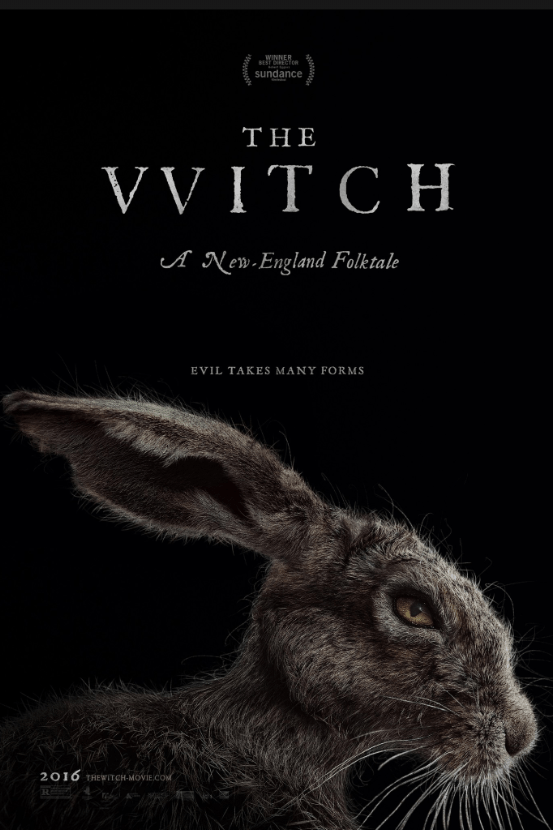
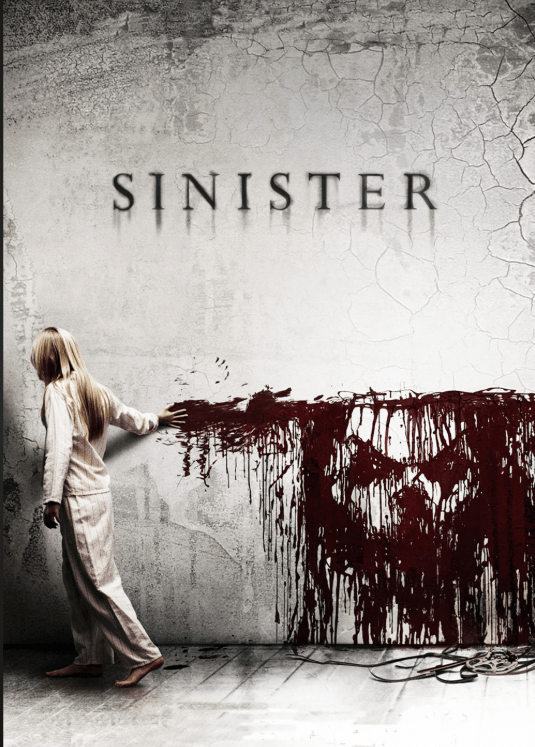
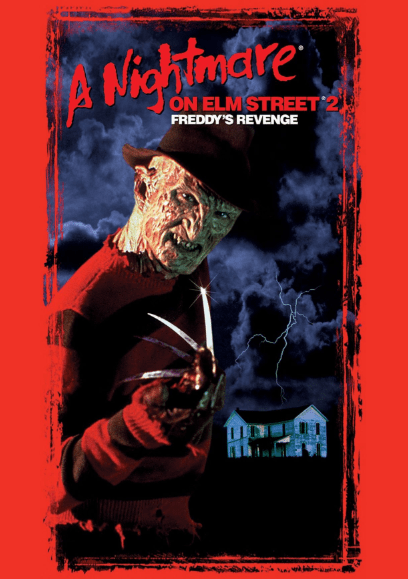
Conventions for titling in the horror genre includes capital, bold lettering. It varies to which type of horror it is, for example, a slasher film or a psychological film. For slasher films they usually consist of altering the lettering like having blood seep down or having rough edges whereas other horror films consist of some sort of a Times New Roman font. Horror movie titles never have any lower case letters, but rather bold and highlighted fonts to gather the attention of viewers. The titles also correlate to whatever gruesome or eerie image is settled on the movie poster and have a color scheme. We set our eyes on a Times New Roman font to be included in our film opening for our movie title and credits.

Color Correction
How are you performing the process of color correction?
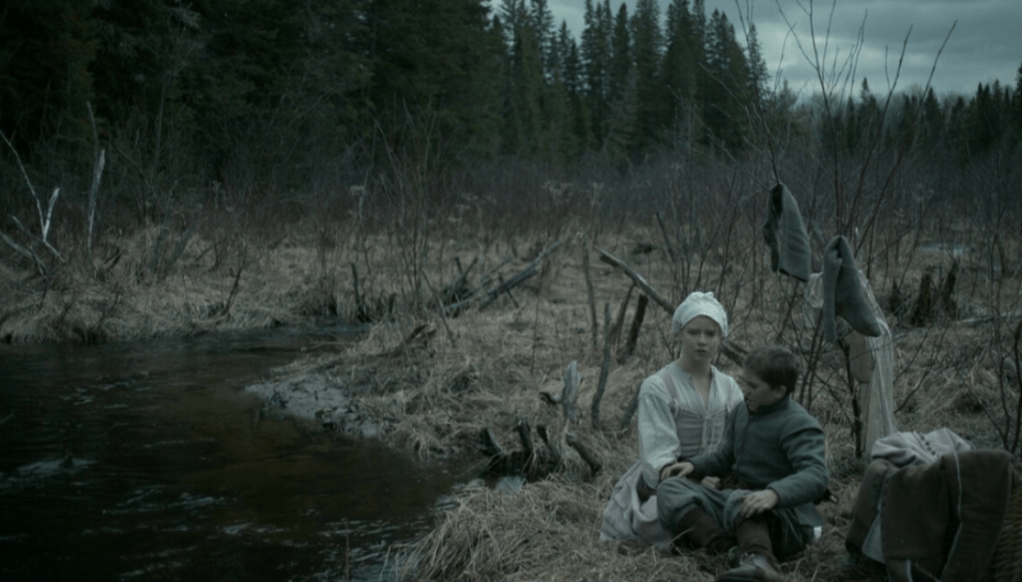
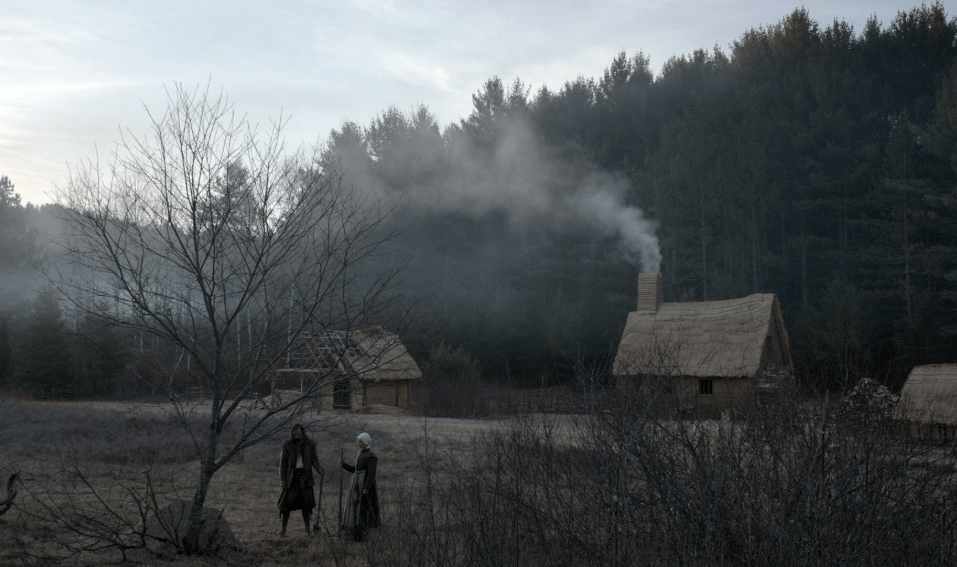
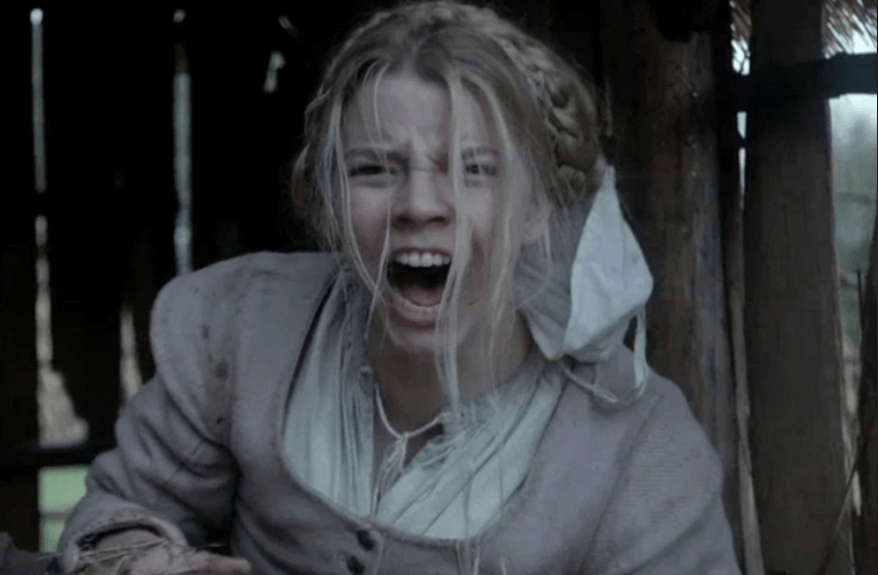
For our inspiration on color correction, we looked at a “The Witch” for their take since it was fairly similar to our own film. The movie had a color scheme of a cool blue fixture and it looked, overall, gloomy so we went with the idea and altered our own film opening to a darker color scheme and focused on a blue fixture. We lowered the color and saturation on IMovie to a blue/grey tone and loved the way it turned out as it did not portray much sunlight and instead dark and gloomy footage.

Sound
What kinds of sounds do you need to add? How are you doing so?
The different types of sound we needed were ambient nature audio, screaming, heavy breathing, and footsteps. We also wanted to include music so we had to choose which audio clips will be included. To record the audio, we heavily relied on Voice Memos and I tried to envision how to voice or match the sounds by replaying back the footage.
Here are a few audio clips meshed together for our film opening…
Transitions
What kinds of transitions, effects, and titles are you using? Why?
We used fade out transitions for two reasons, to show a passage of time or to create a coherent meaning. In a series of shots, one scene had me sitting down, crying then it cuts to the next scene where I am running towards a direction so the fade out transition was used to show a passage of time and create a steady piece. Then the fade out transition was used to create a coherent meaning where our character is going mad with insanity and it made the piece more unified.
We also chose a dissolve transition in the beginning for our establishing shots to show where the setting is going to be placed and the transition added smooth effects showcasing our location.
Technology Usage
What kind of technology did you use during the process?
Technology we used during the process was IMovie for the editing and then filmed our sounds separately using the Voice Memos app on the IPhone. To film our entire process, we used an IPhone XR and used lighting coming from the sun.
What did you learn about using post-production technologies?
IMovie proved to be a difficult editing tool at times because sound audio clips had to be separate from an actual video. So if we wanted only the audio coming from one of our scenes, we could not delete the footage because it will just delete everything, thus having to record separate audio clips using Voice Memos. The technology also had limited text fonts and transitions so if we wanted a specific horror title font, we could only use what is given and the transitions, at times, felt cheap and flimsy to use in our film opening, but decided to make peace with whatever was available to us. Transporting clips from IMovie was a pain as well because it either glitched our footage which had to be replaced or it did not send at all. When I worked from the app and tried to send the footage to Tzitlalith, it took forever on sending so I had to screen record the footage or Airdrop it whenever she was close to me, but Tzitlaith had the real success on exporting footage and editing to the best of her ability.
Post-Production
How are you using the editing process to create a coherent meaning from your collection of shots?
The editing process possessed a challenge on creating a suspenseful and mysterious film opening. Watching the rough cut raised a few of concerns while trying to maintain a coherent meaning because there were a series of shots that made no sense in being included into our opening, but their purpose was to add the literal meaning of our character going insane. We also did not want any sort of sunlight included in our shots so we planned to edit some color changes in our film opening and we knew we had to cut some scenes where it was too long and unnecessary.
Footage Captured during post-production
Here is our footage from post-production…Enjoy! 🙂
 Driving Insanity